
Child poverty: Two in three schools in poorest areas using their budgets to stop pupils going hungry

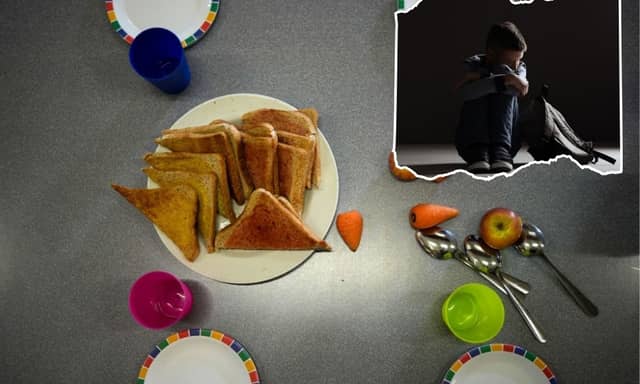

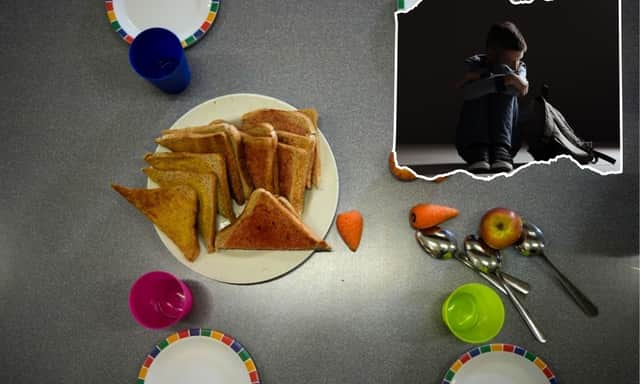
One school had to buy new uniforms for rain-soaked pupils walking to school without proper coats 🧥
- This week’s Budget saw an extra £2.3 billion added to the state schools budget, plus more money for SEN provision.
- It comes as new polling reveals two thirds of England’s poorest schools are paying for extra food for hungry kids out of their own budgets.
- Some are even bankrolling new uniforms and sanitary products for pupils in need.
- The education charity behind the poll says the extra funding needs to be targeted towards the most disadvantaged schools.
The impact of child poverty is cutting into school budgets, new polling has found, with schools forced to use their funding to meet their pupil’s basic needs.
The chancellor unveiled the government’s new Budget this week, and it brought with it big news for schools and the education sector. State schools will benefit from an extra £2.3 billion next year, in part to hire more teachers, while an extra £1 billion will go towards more provision for students with special educational needs (SEN).
Funding for Labour’s school breakfast clubs programme has been tripled, and new data - released by education charity Teach First last week - suggests the move will be welcomed by educators. It found that school leaders from some of England’s most disadvantaged schools were currently dipping into their school budgets to make sure pupils had the essentials. Two thirds (60%) were buying extra food for hungry children - double that of the most affluent schools - while 68% of these disadvantaged schools were also having to buy uniforms or clothing for pupils in need.
Nearly half (46%) were spending school funding on sanitary wear, and about one in five (18%) were shelling out for toothbrushes and toothpaste. More than a third of schools (38%) were also having to use their school budgets to kick off interventions into absentee pupils, a figure which leapt to one half (49%) for secondary schools.
Teach First said that most of the teachers polled - via survey app Teacher Tapp, which asks questions to some 7,000 educators each day - thought ahead of the Budget that the government should increase funding in all schools. Some of the biggest issues tightening school purse strings were causing pupils included students with SEN not getting enough support, educators with workloads so heavy they couldn’t teach effectively, and schools not being able to afford to hire new staff, according to teachers.
New Budget funding needs to help ‘break down barriers’
But teachers also believed that the extra funding should be weighted towards schools serving more disadvantaged communities, the charity added. Teach First CEO Russell Hobby told us that addressing child poverty and investing in education were both essential steps - toward a society where every child could unlock their full potential.
“Today, child poverty limits young people’s access to basic necessities and affects their ability to learn. Schools and teachers have been stepping in to help, but this responsibility shouldn’t fall on them alone,” he said. “This week’s £2.3 billion increase in school funding is a promising start, easing budget constraints and enabling schools to recruit more teachers.”
Targeted funding for SEN students would also provide vital support to vulnerable children, investments he said were “a signal of the government’s intention to prioritise education”. But the new funding still needed to be utilised the right way, to keep making a difference to other vulnerable children.
“Funding must now be coupled with a focus on schools and students in the most disadvantaged communities to break down barriers and deliver a brighter future for all,” Mr Hobby added. “Reducing poverty is not just morally right - it’s key to a stronger, more prosperous future.”
Students ‘rain-soaked’ walking to school without proper coats
Mark Avoth is the principal of The Bourne Academy in Bournemouth, a secondary school which sits within one of the most deprived areas in the country.
“Particularly since the pandemic, we’re seeing a growing and urgent necessity to provide basic needs for our most vulnerable students,” he said. “This ranges from giving free breakfast to all students, to providing appropriate clothing for those who don’t have it. Recently we supplied numerous sets of uniform to students who were rain-soaked whilst walking to school without appropriate coats.”
While more needed to be done to tackle child poverty nationwide, schools like his serving deprived communities need to see more funding most urgently, he continued. “Greater resources would be transformative - we’re doing our best to accommodate increasing costs and wider societal issues, but without the right support our staff will be stretched to breaking point, and we’ll struggle to ensure all our students can succeed equally to fulfil their potential.”
What do you think of the government’s approach to education and to child poverty in the latest Budget? Have your say and make your voice heard by leaving a comment below.