
Communities across Bedfordshire receive kits to help them prepare for potential flooding this winter
Communities across Bedfordshire have received kits to help them prepare for potential flooding this winter.
As part of its Flood Action Week campaign, areas along the Great Ouse catchment have received emergency flood kits from the Environment Agency, while many locations have already developed their own community flood plans.
In Bedfordshire communities in Biggleswade, Blunham, Great Barford, Harrold, Kempston, Langford, Northill, Potton, Risely, Sandy, Shefford and Stotfold have received flooding kits, while in Newport Pagnell and Stony Stratford they have also been equipped with flood monitoring cameras.
The kits, which are tailored to individual communities, include high-visibility jackets, a submersible pump, roadside Flood signs, temporary barriers, a first aid kit, two-way radios and torches.
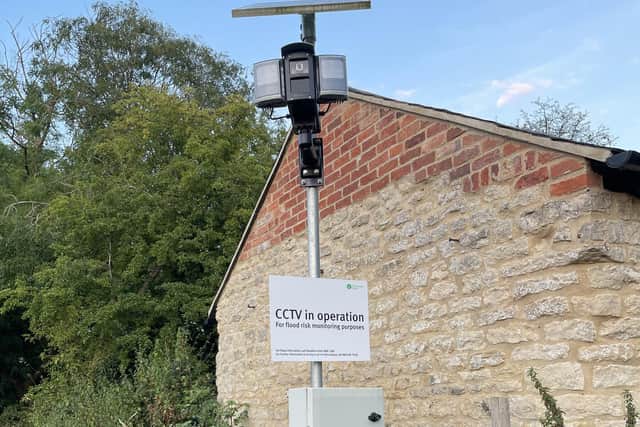

CCTV cameras are also being installed at flood-risk locations across the catchment, which spans multiple counties, including at Harrold.
In Riseley, residents have shown the value of getting organised before flooding strikes by forming a flood group and worked with the Environment Agency and Bedford Borough Council to develop a community flood plan, identify vulnerable residents, and spread the word through door-knocking, social media and leaflets. And, when flooding later hit the village, their preparation paid off.
The Environment Agency’s flood risk manager Adam Foster said: “We’re facing extreme weather, with flood and drought placing communities under growing pressure. Building resilience has never been more important.
“Through flood groups, community flood plans, and emergency flood kits, this project is equipping local volunteers and communities to respond quickly and effectively when water levels rise.
“We can’t always prevent flooding, but we can help communities understand their risk, be better prepared and hopefully recover more quickly.”
Earlier this week the Environment Agency declared a severe drought across parts of southern England, while also confirming that parts of the south-east and south-west had experienced their driest April to September in more than a century.