
House of Lords will discuss future of new towns including Tempsford this morning
The House of Lords new towns inquiry will hold an evidence session this morning (June 23) – asking key questions about the future of Tempsford.
The House of Lords Built Environment Committee will meet at 10.45am and focus on factors that could limit the construction of new towns – with the public invited to watch live on Parliament TV.
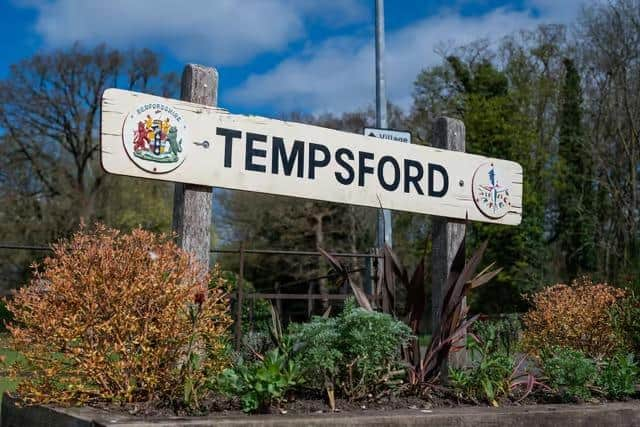

The new towns scheme is part of the government’s commitment to deliver 1.5 million new homes by 2029 – and 40,000 are proposed for Tempsford.
A House of Lords spokesman said: "This is the committee’s first evidence session of the third and final module of its inquiry into new towns and expanded settlements.
"This third module will focus on construction and development and seeks to answer a fundamental question: what are the factors limiting the construction of new towns? Or put another way, what might be stopping us from getting spades in the ground and having new towns built quickly and to a high standard?"
Topics likely to be covered in this session include:
> Whether a shortage of construction materials present a barrier to the effective delivery of new towns.
> Steps the Government can take to secure the supply of materials for the delivery of new towns.
> Whether the development of new towns and expanded settlements are an appealing opportunity for the building materials and construction products sector.
> How the development of new towns can mitigate their environmental impact through their construction materials and associated supply chains.
> Whether the next generation of new towns are an opportunity to use innovative or unconventional construction materials.
The committee will hear evidence from: Katherine Adams, technical director, Alliance for Sustainable Building Products; David Hopkins, chief executive, Timber Development UK; Rebecca Larkin, head of construction research, Construction Products Association.
Tempsford is one of the seven new towns shortlisted – confirmed by the government in March. It is the only one in a rural area.
One of the main factors it was chosen was because of its location at the intersection of the East Coast Main Line and the new East West Rail Link (part of the Oxford to Cambridge corridor).