
'Clare's Law' failure in murder of Biggleswade woman says coroner as she warns future deaths could occur
A coroner has warned future deaths could occur in cases of domestic abuse unless action is taken, following the murder of Sarah Albone.
Sarah, 38, was brutally killed by her partner, Matthew Waddell, 35, at her home in Winston Crescent, Biggleswade, on November 27, 2022.
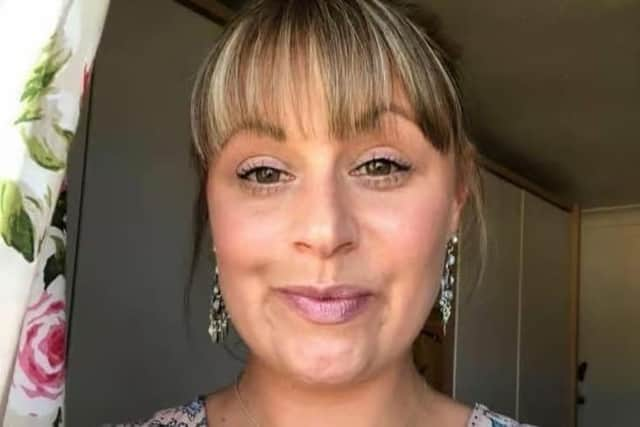

Her remains were not discovered until February 2023, after her family reported her missing.
An inquest into her death found police failures "materially contributed", with the chief constable admitting that the force “could and should have done more” to protect her.
Senior coroner Emma Whitting concluded Sarah's death was an "unlawful killing to which police failures in recognising and responding to the escalating domestic abuse materially contributed”.
And she warned: “Bedfordshire Police are not pursuing every available opportunity to safeguard victims of domestic abuse.”
She found police failed to "properly appreciate the risk" Waddell posed to Sarah – as "evidenced by a lack of reference to his history of violent behaviour".
This was neither shared with the Multi-Agency Risk Assessment Conference nor Sarah herself – despite her ‘Clare’s Law’ application.
The Domestic Violence Disclosure Scheme (DVDS) – Clare’s Law – means people can apply to the police to find out if a partner has a history of abusive or violent behaviour.
The force had also failed to properly investigate the circumstances of a complaint raised by Sarah’s neighbour, the coroner added, and she said police had failed to "continue the criminal investigations into Waddell" or consider additional Domestic Violence Protection Notices (DVPNs) and Domestic Violence Protection Orders (DVPOs).
She also found police failed to pursue offences against Waddell for "coercive or controlling behaviour on their own merits" after Sarah had withdrawn her evidence in September 2021.
Ms Whitting has now sent three Prevention of Future Deaths Reports to Bedfordshire Police, the Secretary of State for the Home Department and the Secretary of State for Health & Social Care (DHSC).
The coroner highlights ‘there was no unified health record for individuals identified as at on-going risk of domestic abuse’.
The report further lists matters of concern including: “During the course of the inquest I heard evidence giving rise to concern. In my opinion there is a risk that future deaths could occur unless action is taken. “As highlighted by the Draft Domestic Homicide Review there is a need for essential clinical information, safeguarding indicators, and patterns of attendance to be visible across all settings involved in an individual’s care to ensure timely identification of escalating risk and then effective protection of victims at risk of on-going domestic abuse.
"However, although there is a national shared IT system for child protection, there is no national shared IT system for victims of on-going domestic abuse.”
In its response, Bedfordshire Police said it recognised teh “tragic circumstances in which Ms Albone came to her death” and extended its “sincere condolences to Ms Albone’s family and friends”.
But it said it had acted within statutory guidance, and that “The existence of relevant information does not, in itself, require disclosure”.
It added: “Bedfordshire Police takes domestic abuse extremely seriously and remains committed to protecting and safeguarding victims. The force recognise the devastating impact domestic abuse can have on victims, their families and communities and remain committed to tackling male violence against women and girls, which is a force priority and a key part of our Control Strategy.
“Whilst Bedfordshire Police respectfully maintains that its understanding and application of the DVDS was consistent with the statutory guidance in force at the relevant time, the concerns raised by the coroner provide a valuable opportunity to continually review and strengthen existing policies, procedures and governance arrangements.”
Meanwhile, the DHSC said it was taking “further steps to strengthen the health system’s response to domestic violence and abuse”, with up to £34.4 million over three years to support 12 Integrated Care Boards (ICBs) to “deliver the first phase of Steps to Safety, a new referral service
helping women and girls experiencing violence and abuse to access specialist support through their GP".
A further £15 million over three years will be invested in victim support services through all ICBs across England, and a National Clinical Lead for Violence Against Women and Girls has been appointed to support a stronger and more joined-up health response.
The Home Office said it was working with the National Centre for Violence Against Women and Girls and Public Protection (NCVPP) and the College of Policing to improve training on assessing and managing risk for all levels of police officers by 2029.
.